Tuesday, 6 January 2015

Concept Arts: Zak Hughes & Outdoor Setting

ZAK HUGHES CONCEPT ART


For the concept for Zak Hughes, the main character, I took into consideration how I wanted him to be dressed, the way he looks and the setting of opening sequence. For the colours of the setting, I took into consideration the time of the year when I'd be filming, and as it would be autumn time, I used a lot of orange, yellow, brown and red colours to reflect this, and made it so these colours set the moody feeling I was aiming for.

I used these two pictures as reference images for these colours for the setting:


These pictures of Michigan and Detroit areas of America in autumn were my reference images for the colours and provided as a colour palette for the concept and inspired the more rural and woodland setting of what I want.

For the costume ideas for Zak, I made it so he was wearing clothing you'd be wearing when it starts to get colder in the autumn/winter time of the year, such as the jumper and winter boots. I then made it so these items of clothing followed the same colour scheme of oranges, yellows, reds and browns. I then added blood splatters and stains to the costume, which'll be shown within my final sequence on the characters clothing, along with the warmer clothing items. All of the characters will follow a similar clothing scheme, as they'll all be trying to keep warm as it gets colder, but only Zak Hughes and Alex Harrison will be the ones wearing blood stained clothing, as they're the ones

Next, I decided the facial expression would be slightly sad and would be make him look quite down, to fit the mood of the film. Then to help make it look like this more, I made the way he was stood as quite rugged with his hands in his pockets. This helped show that since the apocalypse, things have been tough on Zak, Alex, Olan and Harry and they've been struggling with how everything has changed and how they have to struggle to survive every day.

Opening Sequence Film Scripts

SCRIPTS


When I wrote my scripts, I decided to make them a lot like the style of script you would get for a real movie or TV show, following the same format and the same fonts and page layouts.


These are examples of scripts from actual plays, movies and TV shows that flow the same way my script does in the way of the layouts, font and format.


This was the original version of the script that I wrote but I quickly decided that I wanted to re-write all of what I'd written because the script lasted a lot longer than I'd intended it to, there was too big of a chunk of speech by one character at a couple of points and the whole conversation felt like it didn't flow like a real conversation and felt very scripted, so for these reasons I decided that it would be best to completely re-write a script that felt a lot more natural and not script and was a lot less bulky and boring.


This is the second version of the script that I came up with. While this one was a lot better, I felt that it didn't quite portray enough of what is suppose to be going on in the opening sequence, as the details of what they're discussing is very vague and doesn't include much in the way of the setting, the plot of the film or the who the characters are. As I still wasn't happy with the way the script felt, I decided to re-write it again, this time changing the feel completely to make it feel a lot less dark and more interesting to the viewer.


This is the final version of the script that I wrote, and features better details of the plot that'll evolve throughout the film, and features the changes in ideas of the film synopsis. It does a better job at being interesting, as the lines are less bulky and don't feature huge blocks of speech from one character at once, and also includes some sarcasm to include some comedy, as when I did my survey, most people said they enjoy comedy in films. This version of the script, also doesn't dwell on being too dark and serious like the previous two were. There will be cuts between this scene and the river scene shown in my storyboard at:


Oh fuck, what happened? -Olan Hughes

Ahh we just got caught up by a couple of them undeads, nothing too serious. -Zak Hughes


These shots and cuts will be smooth and quick transitions, and appear to show and make it clear that they're flash backs to the event they're referencing. Because of this, it'll make the feel of the flashbacks a lot more natural.

Thursday, 1 January 2015

The BBFC


The BBFC (British Board of Film Classification) is a non-profit regulatory body setup to classify media in the UK, according to the UK laws. They classify media texts such as films, trailers and advertisements on behalf of local authorities who license cinemas, works of video under the ‘Video Recordings act of 1984’ and video works which are distributed over the internet and internet content that’s distributed via mobile networks under a self-regulated and voluntary the service and commercial. They base these on the use of violence, language, discrimination, sex and drug use. They guide to protect children and vulnerable adults from any potentially harmful or unsuitable media content, and to empower those consumers, mainly with children, to help them to make an informed decision on the viewing of media content.

The main issue with drugs is media is that no work taken as a whole may promote any kind of misuse of drugs or any details which are likely to promote the use of drugs. Any media pieces that normalise or glamorise the misuse of drugs are more likely to gain a higher classification, than a piece of media which shows the dangers of misusing drugs. Works which appeal to children that contain smoking, alcohol abuse and substance misuse will be indicated in BBFCinsight. The classifications of these media pieces may be influenced by these activities.


The main issues with language are the use of language which people may find offensive. This includes the use of language with a sexual, religious or racial association, derogatory language about minority groups and commonly understood rude gestures. The level and extent of the offence can vary due to factors such as gender, age, race, background, beliefs and the expectations of the character brought upon my the viewers to the work, as well as the context the word is used in. It is impossible to set out a comprehensive list of expressions, individual words and gestures which are and aren't acceptable for each category.


The main issue with sex is the portrayal of sexual activity, which can range from anything from kissing to detail of stimulated sex. The normalisation of overtly sexualised behavior is a concern in the younger categories of media, and the classification system allows progressively stronger levels of sexualised behavior, the higher the category rises. Works purely based on sexual arousal and/or stimulation will normally only get passed at the adult categories. Sex works which contain purely sex which may be purely simulated will be passed at the 18 rating. The R18 category is suitable for sex works which contain clear images of real sex, strong fetish activities, sexually explicit animated images or other very strong sexual images. R18 films are only supplied in licensed sex shops and only shown in specially licensed cinemas.


The main issue with violence is works which contain the portrayal of violence as a normal solution to problems, heroes who inflict pain and/or injury, callousness towards victims, the encouragement of aggressive attitudes, characters taking pleasure in pain or humiliation or the glorification or glamorisation of violence. Works which feature the following are likely to receive higher classifications. Sadistic or sexual violence is likely to receive a higher level of classification, and any portrayal of sadistic or sexual violence which is likely to pose a harmful risk, will be subject to classification, cuts, or as a possible last resort, a refusal to classify the piece of media. Media which makes sexual or sadistic violence look appealing or give the view that it’s acceptable, reinforces the suggestion that a victim will enjoy sexual violence or invited viewers to sexual violence and/or other harmful and violent behaviors and activities may be refused classification.


There are 7 different levels of classification available to use;


  • U
  • PG
  • 12A
  • 12
  • 15
  • 18
  • R18


U stands for universal, which means it’s suitable for all. A U rated film should be suitable for anyone aged four years and over. They should be shown in a positive way and offer reassuring counterbalances to any violence, threat and horror.


PG stands for parental guidance, which means some scenes may be unsuitable for younger children. A film that is rated PG shouldn't unsettle a child aged around eight or older. Children of any age may watch, but parents are advised to consider whether the content may upset younger and more sensitive children. References to illegal drugs or misuse of drugs must not be harmful or offensive or carry an anti-drug message. Only mildly bad language may be used and frequent or aggressive used of mild bad language could result in the film being classified as a higher rating. Any nudity shown may not carry any sexual content and sexual activity may be implied, but only infrequently and discreetly. They only include innuendos and mild sex references.


Films classified 12A and video works classified 12 tend to contain material that is not generally acceptable for any children under the age of 12. Anyone under the age of 12 may not see a film rated 12A in the cinema, unless accompanied by an adult. Any adults planning on taking a child to a film rated 12A, should consider whether the film is suitable for that child. No one younger than 12 can rent or purchase a 12 rated video work. Misuse of drugs must be infrequent and not be glamorised, otherwise it can result in a high classification. Moderate language can be used in moderation and strong language can possibly be permitted, depending on the context, person and frequency of its use. Nudity is permitted, but only in a brief and discreet manor if it’s in a sexual manor. Sexual activity may be shown, but briefly and discreetly and moderate sex references are permitted, but not frequently. There can be moderate violence, but mustn't go into detail, and no emphasis on any injuries and blood. Occasional moments containing gore are acceptable, of justified by the context. Any sexual violence may be implied or briefly and discreetly indicated, but only if it’s justified by context.


Films classified 15 tend to only be suitable for people 15 years and older. No one any younger than 15 may see a 15 rated film in the cinema or purchase/rent a 15 rated video work. No theme is prohibited in a 15 rated film, provided that it is treated appropriately for a 15 year old, so there is no limit of the themes that can be included in a piece of work rated 15. Use of drugs may be shown but the work must not promote the use of drug misuse. The misuse of easily accessible drugs is unlikely to be accepted. The use of strong language is permitted and the use of very strong language may be permitted, depending on the manner, context, person using it and the frequency. Any aggressive use of very strong language is unlikely to be acceptable. There isn't a limit on nudity in a non-sexual or educational context, and there may be nudity in a sexual context, but without any strong detail. Sexual activity may be shown, without any strong detail. There may be strong verbal references to sexual activity, but very strong references are unlikely to be acceptable. Works that are based primarily on sexual stimulation or arousal aren't likely to be considered acceptable and are likely to result in a higher rating. Strong violence can be shown but shouldn't dwell on any infliction of pain or an injury. Strongest examples of gore and strong sadistic violence are both unlikely to be acceptable. Detailed references to sexual violence can be sown, but showing sexual violence must be discreet and justified by the context.


Films rated 18 are only suitable for adults, and no one under the age of 18 may see an 18 rated film in the cinema or rent or buy an 18 rated video work. Adults are free to choose what they view for entertainment, with the exceptions of the following;


·       Material in breach of the criminal law or was created through the commission of an illegal offence
·       Material that appears to risk harm to an individual, or to society through their behavior. An example of this is the use or portrayal of violent or dangerous act or the use of illegal drugs, which may cause harm to the public. This can include sadistic behavior and sexual violence being made to look appealing or suggesting that victims enjoy sexual violence or inviting the viewers to partake in sexual violence or other harmful violent activities
·       Material where the primary purpose of the material is sexual arousal.
Explicit images of sexual activity are acceptable when the material genuinely seeks to inform and educate over 18’s in sexuality or safer sex and health. Sex works whose primary purpose is sexual arousal or stimulation, containing material which may be simulated, are normally classified as 18 rated. Sex works which contain clear images of real sex, strong fetish material and sexually explicit images or any other very strong sexual images will normally only be accepted as R18 classification.


Films rated R18 are only to be shown in specially licensed cinemas or supplied is licensed sex shops, to adults only. The R18 category is primarily for explicit works of consenting sex, or works containing strong fetish material. Films may only be shown and supplied to adults over the age of 18, and may not be supplied by mail order. Any illegal material, material and dialog showing interest to sexually abusive activity (including adult role-playing as non-adults), sexual activity showing a lack of consent, infliction of pain or acts that may cause long term physical harm (not including moderate, non-abusive consensual activity), penetration by objects which may lead to physical harm or that is related to violence or sexual threat that aren't consensual and strong physical or verbal abuse, even if consensual is unlikely to be accepted.


Evaluation


By researching The BBFC I was able to accurately rate my film 15 and also aim for this rating with the content I filmed during shooting. By learning what was required to make a film fall into different age ratings, I was able to accurately stick to my chosen age rating.

I now know what I can and cannot include within my film. For example, I can include;

  • Strong Language
  • Violence
  • Drug Use
  • Sexual Content
  • Nudity

And my film cannot include;

  • Focus on violence and injuries
  • Focus on drug taking or promotion of drugs
  • Extensive scenes of sexual violence
  • Sexual scenes of extreme content or primary purpose of arrousal

By making sure I didn't use any of these types of scenes that could risk making the film a 15, I was able to correctly abide by the rules required to make my film a 15. Generally, my film can include a lot of the things that you couldn't include in a 12 rated film, but mustn't start dipping into things that are restricted to just 18 and R18 films.

I feel that after completing my final product, that I have correctly followed the rules set out by The BBFC for my film to be rated 15.

Friday, 12 December 2014

Editing: Colour Correction

Colour Finesse Image Correction

HSL Hue Offset


Without Hue Correction


With Hue Correction


The first thing I did with this was use the Hue Offsets to increase the dark blue highlights, then slightly increase pale blue midtones and the even out the colour within the shadows by increasing the shadows in the direction of a very pale yellow/orange colour. Doing this helped to give a cooler and slightly blue effect, which is often associated with night time film. It also helped to greatly reduce the yellowish tint that was being given off by the natural lighting on set. But even with all of this, the footage was still quite bright and didn't look like it was in a darker room or shot at night time.


CMY Colour Correction


Without Levels Correction


With Levels Correction


This colour correction helped to reduce the yellow tones further and slightly enhance the whites and paler tones shown in the footage, to help improve the quality of the image when the brightness is reduced, as the white tones can be darkened easier and with a lot smaller loss of quality than yellow tones being darkened.


Master Levels


Without Levels Correction


Without Levels Correction


The levels correction helped adjust the ratio of dark:light within my footage. I did this by bringing in the white and black sliders, to reduce the spectrum, then I moved the central slider towards the lighter side, so the ratio of dark:light is more in favor of the darker images, which reduced the amount of light areas, such as where the lighting was shining more brightly and more intensely and increases the amount of dark areas, such as shadows being enhanced more greatly.


Effects All Together


The effects layered all together, are what turned some quite bright and unrealistic lighting levels adjust the scenes to look more like I originally intended them too, which is as if it was shot at night time, but due to restrictions presented by the cameras ability, I was unable to do this through natural lighting levels, and resorted to doing it with the post-production colour correction, as shown above. This technique has helped me to achieve what I originally intended to achieve, but also for me to have had to improvise and teach my self a new skill, which is learning to do and use a completely unfamiliar and new style of colour correction and for me to use and learn new methodology to achieve the night time/low lighting level through this.


Grain Removal/Reduction


Grain Removal Tool


After doing the colour correction, it meant that because I had reduced certain aspects and elements of the shots, such as brightness and increasing settings such as the shadows, I had also increased the grainy effect in the background of the shots, but I found an easily solution to help fix, or at least reduce this, which was to use the grain reduction tool. This meant that I could easily remove a lot of the grain that was present in the video, and I could control how much I wanted the grain to be removed by, which is down to each individual shot. The grain removed is down by controlling a slight level of blurring within the selected area to you wish to be effected by the tool, and this is how you also increase the intensity of the blurring.


Evaluation


Learning to do this for my film was an important skill that I needed to develop to help make my film look as best as I could. The importance of this stage of post-production was very great as the raw versions of each piece of footage looked quite poor due to uneven colour levels, making the footage appear quite bland, overly bright and unnatural, bring the quality level of the film down greatly. By learning the steps required to make footage look balanced in terms of colours and adjusting lighting intensity, I was able to best bring out a look very typically used within Action/Adventure and Thriller films.

Tuesday, 11 November 2014

Audience Research

 Audience Research

For my audience research I created an online survey, in which I asked questions about their age, what kinds of films the respondents enjoy, what sub-genres they enjoy, how much they enjoy zombie and thriller films, whether zombie/thriller film would appeal to them and about the kind of movie poster that appeals to them.


I asked about what kinds of films people enjoy most and the most enjoyed film was comedy, with horror second and action and drama in joint third as the most enjoyed movie genres between the ages of 15 and 18. This is useful to me because it helps me know what genres are enjoyed most by my target audience and will help me add in elements to my final product, which'll be an action/thriller hybrid. For example, I can add elements of comedy through the use of sarcasm, but I need to make sure I don't over use it.


I asked a question about what kind of sub-genre they enjoy most when blended in with a thriller. The most enjoyed styles were survival and action/adventure, with comedy being the second most enjoyed. This helps back up the idea of making the plot about having to survive during a zombie apocalypse but by having to be constantly on the move, which uses elements of both action/adventure and mostly survival. It'll also back up my idea for using a small amount of comedy through the use of sarcasm in my media text.


Next, I asked a question about how much the respondents enjoy thriller films, on a scale of 1-5, with 1 being 'Strongly Dislike' them and 5 being 'Strongly Enjoy' them. From my results, I can see majority of the people asked, 57% of them, enjoy thrillers and a further 14% strongly enjoy them, with the rest of the respondents either choosing the neutral option or only disliking them. From this, I can see that majority of people in my target audience age range would enjoy a film with a base genre being a thriller.


Next, I asked whether they enjoy films which feature zombies. Luckily, no one dislikes those styles of films, with the mass majority of people enjoying that style of film. Only 14% of respondents picked the neutral option, and the remaining respondents picked either 'Partly Enjoy' or 'Enjoy', which helps further cement the idea of making a thriller/action film revolving around the idea of surviving in a world populated by mostly zombies.


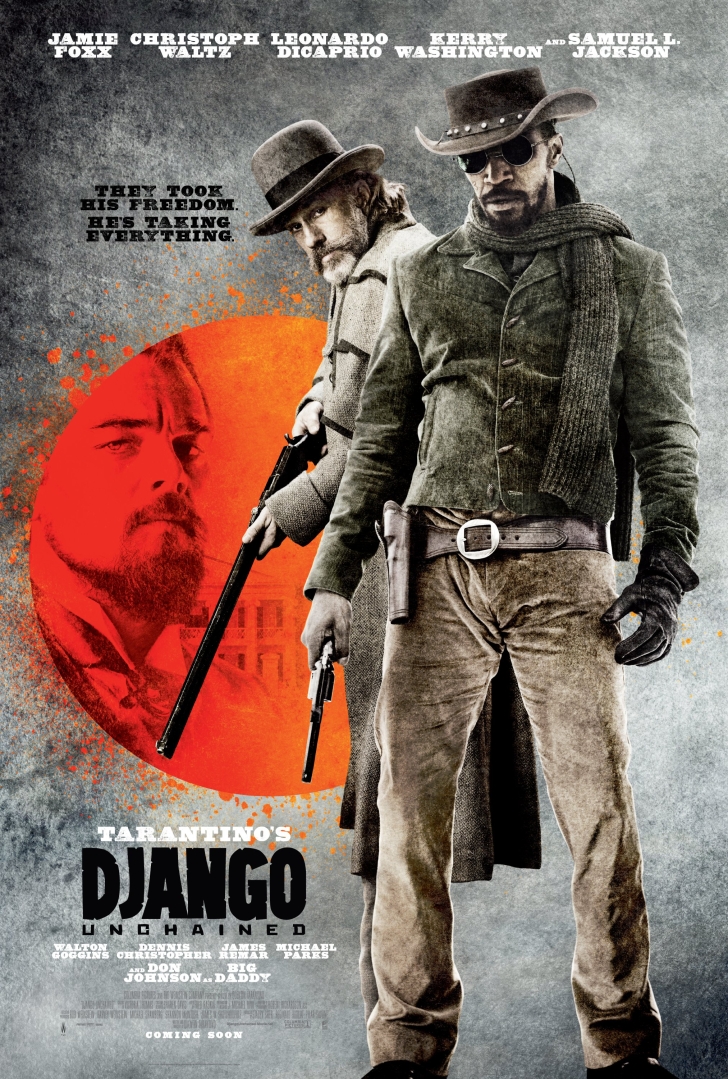
For this question, I asked which of the four movie posters best portrays the idea of a zombie based thriller/action adventure. I used the Resident Evil film posters as an example because if you haven't seen the films or know what they're about, you'd have to judge their content purely based on what the posters look like, and now I can know which style of shot, use of colours, costumes and settings best give the impression of a post apocalyptic action adventure/thriller film.

Over 50% of respondents chose Resident Evil Apocalypse.


This gives the idea that the use of the colour blue works best for an eerie setting and zombie film. This could mean the use of shots that are lit up by moon light, as moon light gives quite a blue effect


This shot from 'American Horror Story: Coven' is an example of the use of less intensive blue lighting for a night time scene.

I can also learn from it that torn up and dirty costumes, that look like they've been over worn, give the impression of having to survive in a rough environment.


The costumes shown in these shots show that the characters are quite rough looking, they're wearing quite torn up and dirty clothing, and the characters themselves have quite a messy look, as their hair isn't neat and they aren't clean shaven.

Finally, I can learn from the title of the film that using words, such as 'Apocalypse' can help portray the idea of a zombie film, as the word itself is most often closely linked with zombies bring upon the end of the world within television and cinema. This can help me when I come to pick the title for my film as it can help me come up with a creative and effective movie title that'll drawn in the audience more.